Shared mills and why they matter
Eleven families, one pulper, one schedule.
The economics
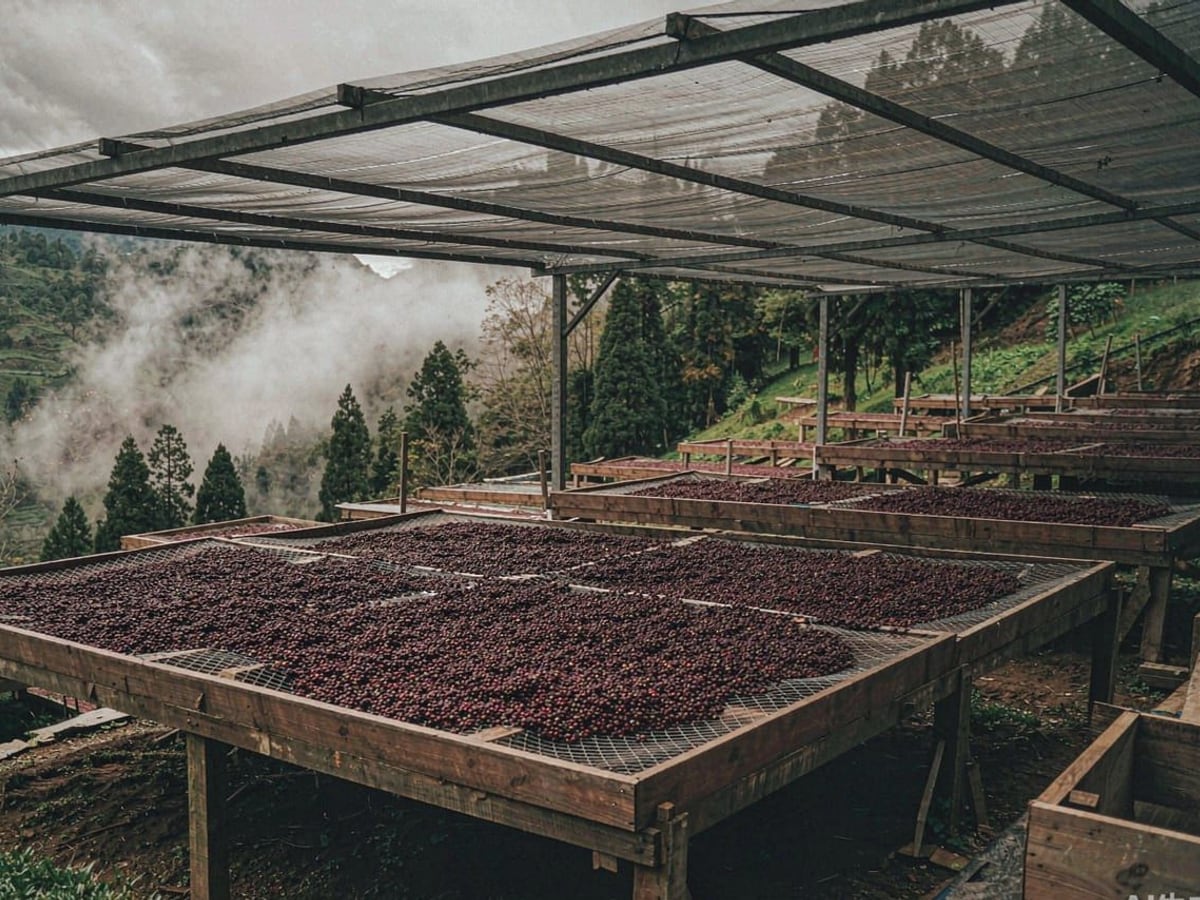
A pulper and a drying shed cost more than most smallholders earn in a year. Sharing them is the only way a two-hundred-tree plot gets processed at all.
The catch is scheduling: everyone's cherries ripen at once, so the mill runs twenty hours a day for three weeks.
A mill is not equipment. It is the difference between a farm and a garden.
What it does to quality
Shared mills flatten differences between farms: the same water, the same fermentation time, the same drying bed.
That is why cooperative coffee is consistent and estate coffee is not — and why the best lots usually come from farms with their own mill.
Disclosure: this article contains no affiliate links. Prices and dates checked in October 2026. Our methodology.