Why Taiwanese coffee costs more than it looks
Small farms, steep slopes, and a harvest that cannot scale.
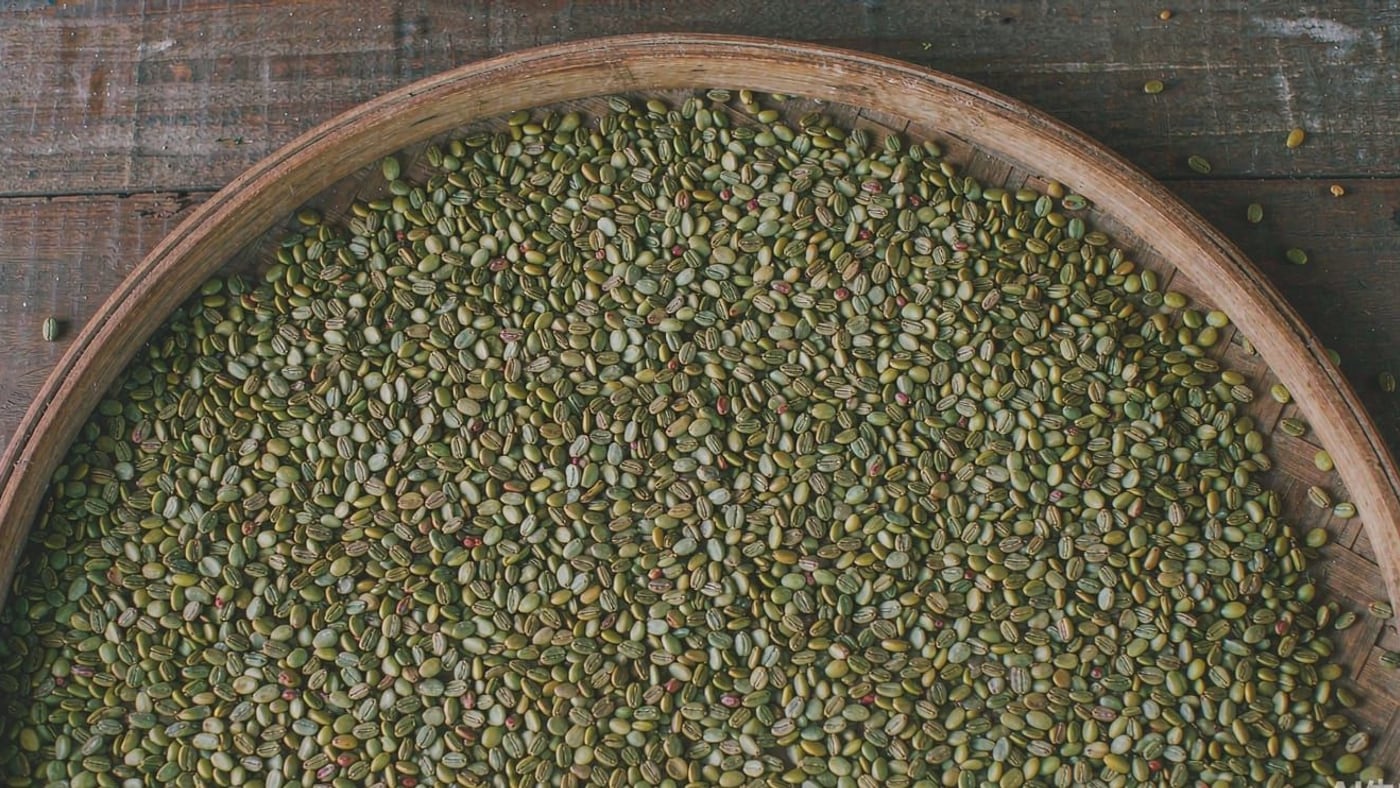
The scale problem
A single estate may produce a few tonnes of cherries in a good year, and much less in a bad one. That is not enough volume to amortise a mill, a dryer, or a full-time picker.
So the work is done by hand, in small batches, often by the same family that picks the cherries. Labour is the largest line item, and it does not fall as volume rises, because volume cannot rise much.
Why the price is high, and honest
A bag of Taiwanese coffee can cost three to five times a comparable imported lot. Most of that difference sits on the farm, not in the roastery.
The alternative is not a cheaper Taiwanese coffee. It is imported coffee, which is what most cafés in Taipei pour by default.
| Origin | Retail / 200 g | Notes |
|---|---|---|
| Taiwan, Alishan | NT$900–1,300 | Small lots, hand sorted |
| Taiwan, Gukeng | NT$600–900 | Larger farms, mostly washed |
| Colombia, Huila | NT$420–520 | Washed, commodity plus |
| Ethiopia, Yirgacheffe | NT$480–600 | Washed, natural |
What this means for travellers
Buy from the farm or a roaster who names the estate, not from a souvenir shop with a mountain on the bag.
Expect small lots to sell out; ask what was harvested this season, not what is cheapest.
Disclosure: this article contains no affiliate links. Prices and dates checked in October 2026. Our methodology.